
Top-Rated Foundation Repair Products for Home Improvement Projects
Upgrade your property with proven products designed to effectively repair and reinforce your foundation for years to come.
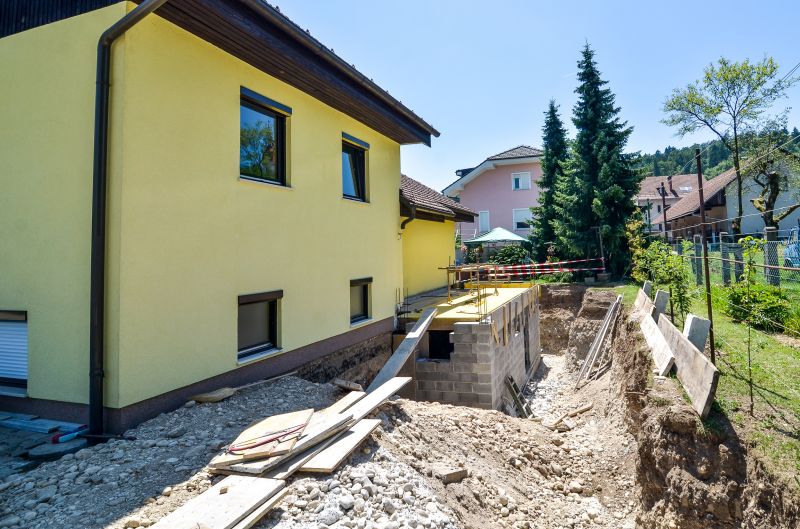 Foundation repairs are a critical aspect of maintaining the structural integrity of a home or building. When signs of settling, cracking, or uneven floors appear, it may be time to consider appropriate repair products. These solutions vary widely, from simple stabilization methods to more complex underpinning techniques. Selecting the right products requires understanding the specific needs of the foundation, the extent of the damage, and the soil conditions of the property. Proper application of these products can help prevent further deterioration and support the long-term stability of the structure.
Types of Products For Foundation Repairs
Hydraulic Piers
Steel piers driven into the ground to support and stabilize foundations, often used in underpinning projects.
Push Piers
Pre-assembled steel piers pushed into the soil to lift and stabilize sinking foundations.
Helical Piles
Steel shafts with helical plates that are screwed into the ground, providing support in challenging soil conditions.
Concrete Crack Repair
Injection kits and sealants designed to fill and reinforce cracks in concrete slabs and walls.
Underpinning Systems
Techniques and products used to extend foundation footings to more stable soil layers.
Mudjacking and Slab Jacking
Materials like polyurethane foam or slurry used to lift and level sunken concrete slabs.
Soil Stabilizers
Chemical solutions that improve soil stability around the foundation to prevent future shifting.
Basement Wall Anchors
Anchors installed in basement walls to prevent bowing or cracking caused by lateral pressure.
Waterproofing Membranes
Protective barriers applied to foundation walls to prevent water infiltration and damage.
Drainage Systems
French drains and other systems designed to divert water away from the foundation.
Polyurethane Foam Injection
Lightweight foam used to lift slabs and fill voids beneath concrete surfaces.
Anchor Bolts
Steel bolts used to reinforce and secure foundation walls to the framing of the structure.
Vapor Barriers
Materials installed to control moisture and reduce humidity issues affecting the foundation.
Foundation Repair Kits
Complete kits containing various tools and materials for small to medium repair projects.
Popular Choices
Widely used for their ability to lift and stabilize foundations with minimal disruption.
Commonly selected for their strength and ease of installation in various soil conditions.
Popular for addressing visible cracks in basement and slab concrete surfaces.
A preferred method for quick lifting and filling voids under slabs.
Effective in preventing basement wall bowing and cracking caused by lateral pressure.
Commonly used to protect foundations from water damage and moisture intrusion.
Popular drainage solution to divert water away from foundation areas.
Increasingly used to prevent future shifting in problematic soil conditions.
Selected for extending foundation support in cases of significant settlement.
Often installed in basements to reduce moisture and improve indoor air quality.
Essential for managing water flow around foundations and preventing water-related issues.
Commonly used to reinforce basement walls and prevent movement.
In the realm of foundation repair, there are several common types of products designed to address different issues. Hydraulic jacks and underpinning systems are often used to lift and stabilize foundations that have shifted. Crack repair injections can seal and reinforce compromised concrete. Additionally, pier systems are frequently employed to transfer the load of a building to more stable soil layers. Each product type plays a vital role in comprehensive foundation repair strategies, often used in combination to achieve optimal results.
Choosing the right foundation repair products involves careful consideration of the specific problem, the building’s design, and the soil conditions. It is advisable to consult with a foundation specialist to assess the damage accurately. Proper installation is essential to ensure safety and effectiveness. Regular maintenance and inspections can also help identify early signs of foundation issues, allowing for timely intervention with appropriate products. Investing in quality repair materials can contribute to the longevity and safety of the structure, providing peace of mind for homeowners and property managers alike.
Key Buying Considerations
- Assess the extent and type of foundation damage to determine suitable repair products.
- Understand soil conditions and how they influence product selection and installation methods.
- Consult with a foundation specialist to ensure accurate diagnosis and appropriate solutions.
- Consider the compatibility of repair products with existing foundation materials.
- Evaluate the long-term durability and performance of the repair materials.
- Check for proper installation procedures and whether professional services are recommended.
- Review manufacturer instructions for application and curing times to ensure effectiveness.
- Assess the potential for future movement or settling and select products accordingly.
- Prioritize products with proven track records in similar soil and structural conditions.
- Factor in the size and weight of the structure when choosing support systems.
- Consider accessibility for installation and maintenance of repair products.
- Review warranty options and manufacturer support for the chosen products.
- Estimate budget constraints while balancing quality and longevity of repairs.
- Ensure compatibility with waterproofing and drainage solutions to prevent water damage.
- Look for products that allow for future adjustments or repairs if needed.